
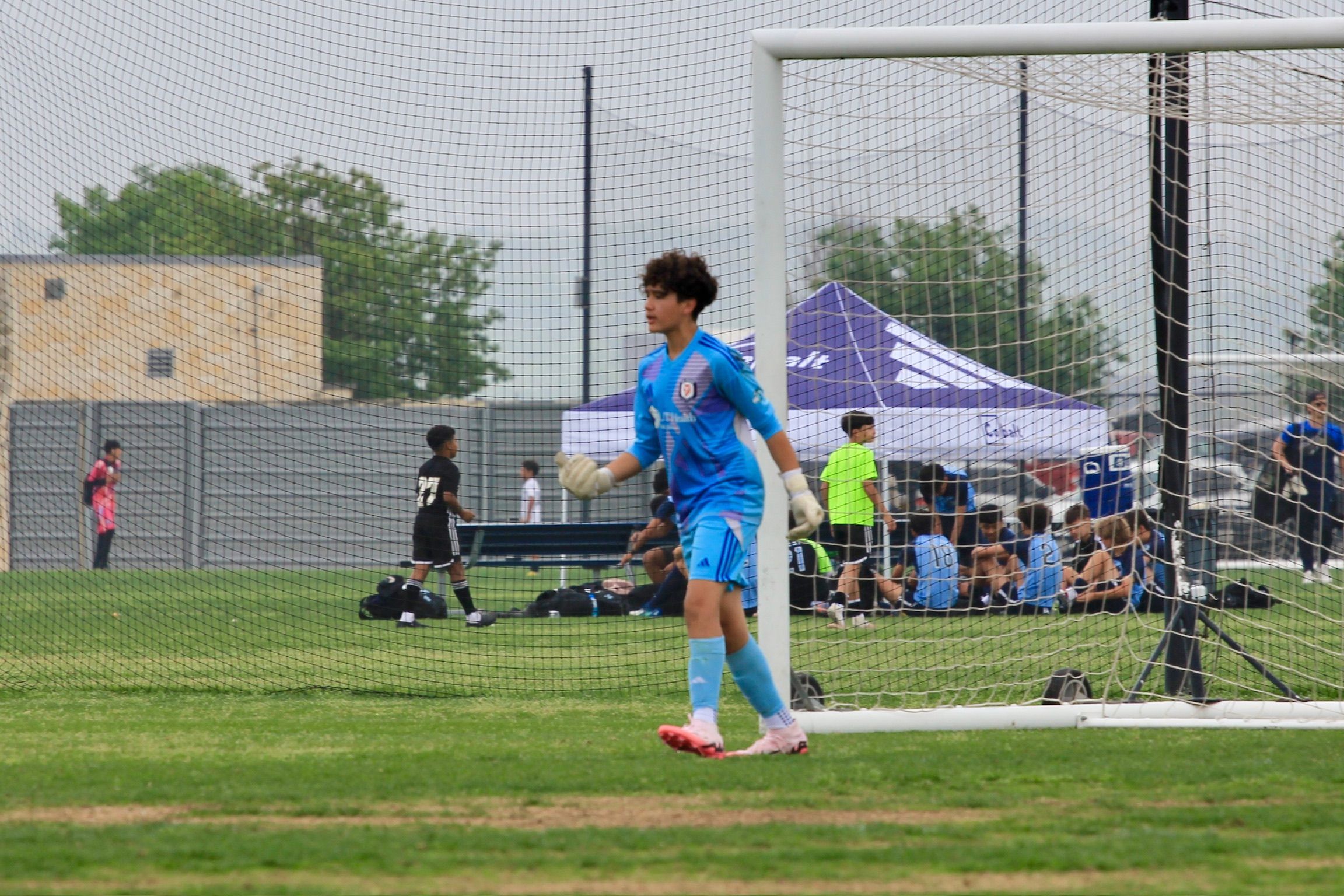
For a long time, I thought I was invincible. I think most soccer players my age feel that way at some point. When you’re young, you feel like you can run forever, stay up late playing video games, eat whatever is in the pantry, and still show up to the pitch the next day and perform. I had this idea that my talent was the only thing that mattered. If I could dive, if I could communicate with my backline, and if I had the reflexes, then the rest of it: the "boring" stuff: didn't really apply to me.
My parents tried to tell me. If I had a dollar for every time my mom told me to take my vitamins or my dad told me to put the phone away and get to sleep, I’d probably be able to buy my own training facility by now. But back then, I didn’t listen. I’d nod, maybe take the vitamin if they were watching, and then go right back to my old habits.
I had to learn the hard way that an elite athlete isn't just made during those ninety minutes on the field. An elite athlete is built in the kitchen, in the bedroom, and in the quiet moments of recovery that nobody else sees.
The Wall I Didn't See Coming
The shift happened when the intensity of my training ramped up. Moving into more competitive environments, especially playing at the MLS Next level, changed everything. Suddenly, everyone was fast. Everyone was strong. Everyone had talent. The margin for error became razor-thin.
I started noticing that I was "lagging." As a goalkeeper, your brain has to be faster than your feet. You have to read the striker’s hips, anticipate the cross, and command your area: all in a split second. But I felt like I was playing through a fog. My reactions were a half-second slow. My legs felt like lead by the 70th minute. I was getting frustrated, thinking I just needed to "train harder."
But training harder wasn't the answer. I was already training hard. The problem was that I wasn't giving my body the tools to handle the work I was putting it through.

Description: A close-up of a kitchen counter where a pair of professional goalkeeper gloves sits next to a bowl of fresh fruit (bananas and berries) and a bottle of vitamins. A classic black and white soccer ball is visible on the floor in the background.
The Science of the "Z"s
I used to think sleep was just a period of time where you weren't awake. I didn't realize it was actually a high-performance state for your body. When I finally started researching why I was so tired, I realized that sleep is when the body repairs muscle tissue and releases the hormones that help you grow and stay strong.
I learned that for an athlete my age, 8 hours isn't even the goal: it’s the bare minimum. I needed 9 or 10 hours to actually recover from the physical toll of diving on turf and grass all day.
I also found out there’s a direct link between what we put in our bodies and how we sleep. For example, Vitamin D and certain B vitamins actually help regulate your sleep-wake cycle. If you’re deficient in Vitamin D (which can happen even if you’re outside a lot), your brain might struggle to produce melatonin, the hormone that tells you it’s time to rest. Once I started prioritizing a consistent sleep schedule: going to bed at the same time every night and putting my phone away an hour before: the "fog" started to lift.
Fueling the Engine (Not Just Filling the Tank)
Then there was the food. I love a good burger as much as the next guy, but I had to realize that my body is like a high-performance car. You don't put low-grade fuel in a Ferrari and expect it to win a race.
My parents were always big on "eating healthy," but I didn't understand what that meant for me. It’s not just about avoiding "bad" food; it’s about getting the right nutrients to sustain energy. I learned about B vitamins: specifically B12. B12 is what helps your body release energy from the food you eat. If you’re low on it, you feel weak and tired no matter how much pasta you eat.
I also started paying attention to Magnesium. As a keeper, I’m constantly exploding into jumps and landing hard. My muscles were always tight and sore. I found out that Magnesium helps relax the muscles and can even improve sleep efficiency. It was a game-changer for my recovery. Instead of waking up sore and stiff, I started waking up feeling ready to move.

Description: Eduardo, a 2011-born goalkeeper, sitting at a wooden kitchen table. He is wearing a simple athletic training shirt. On the table is a healthy breakfast of avocado toast and eggs. A round soccer ball is tucked under his chair.
The Vitamin Lesson
I’ll admit it: I used to hate taking vitamins. They felt like a chore. But once I understood the "why" behind them, my perspective shifted.
- Vitamin D: Essential for bone health (important when you're hitting the ground as much as I do) and immune function.
- B-Complex: For that sustained energy so I don't crash halfway through a session.
- Magnesium: For muscle recovery and better sleep.
- Iron: To make sure my blood is carrying enough oxygen to my muscles during those high-intensity sprints.
I stopped seeing them as "pills my parents want me to take" and started seeing them as "supplements that give me an edge." When I take my vitamins now, I know I’m giving my body a safety net. It’s making sure that even if my diet isn't perfect that day, I’m still getting the micro-nutrients I need to stay at the top of my game.
Learning the Hard Way
I call this "The Hard Way" because I could have avoided a lot of "off" days if I had just listened earlier. I remember one specific tournament where I felt completely drained by the second day. I hadn't slept well because I was up late talking to friends, and I had eaten junk food between games because it was easy. I played okay, but I knew I wasn't great. I felt slow. I felt vulnerable.
That feeling of not being at my best: knowing that I was the reason I wasn't performing: was worse than any lecture my parents could give me. That was the moment I decided to change.
I started tracking my sleep. I started looking at labels. I started asking my coach and my parents more questions about nutrition. The difference was night and day. About two weeks into my new routine of high-quality sleep, consistent vitamins, and "clean" fueling, I felt like a different player.
My footwork felt sharper. I was more vocal on the pitch because my mind wasn't tired. I was making "save-of-the-game" type plays in the final minutes of training when everyone else was gassing out. That’s the "Secret Weapon." When the game gets hard for everyone else, it stays easy for you because your body is prepared.
Advice for the Next Generation
If you’re a young player reading this, or a parent trying to get through to your athlete, here’s my advice: Don't wait for the "wall." You don't have to wait until you have a bad game or a bad month to start taking care of your body.

Description: An organized bedroom of a dedicated athlete. A soccer bag is packed by the door, a round black and white soccer ball is on a stand, and a water bottle and vitamin organizer sit on the nightstand next to a digital clock showing an early bedtime.
Being an elite athlete is about the 22 hours you aren't on the field just as much as the 2 hours you are. It’s about discipline. It’s easy to work hard when the coach is watching. It’s much harder to choose the salad over the fries, or the bed over the video games, when nobody is watching.
But that’s where the scholarship is won. That’s where the pro contract is earned. It’s in the fuel, the vitamins, and the sleep.
Listen to your parents. They actually know what they’re talking about. I had to learn it the hard way, but you don't have to. Take your vitamins, get your sleep, and fuel your body like the machine it is. Your future self on the pitch will thank you for it.
Leave a Reply