
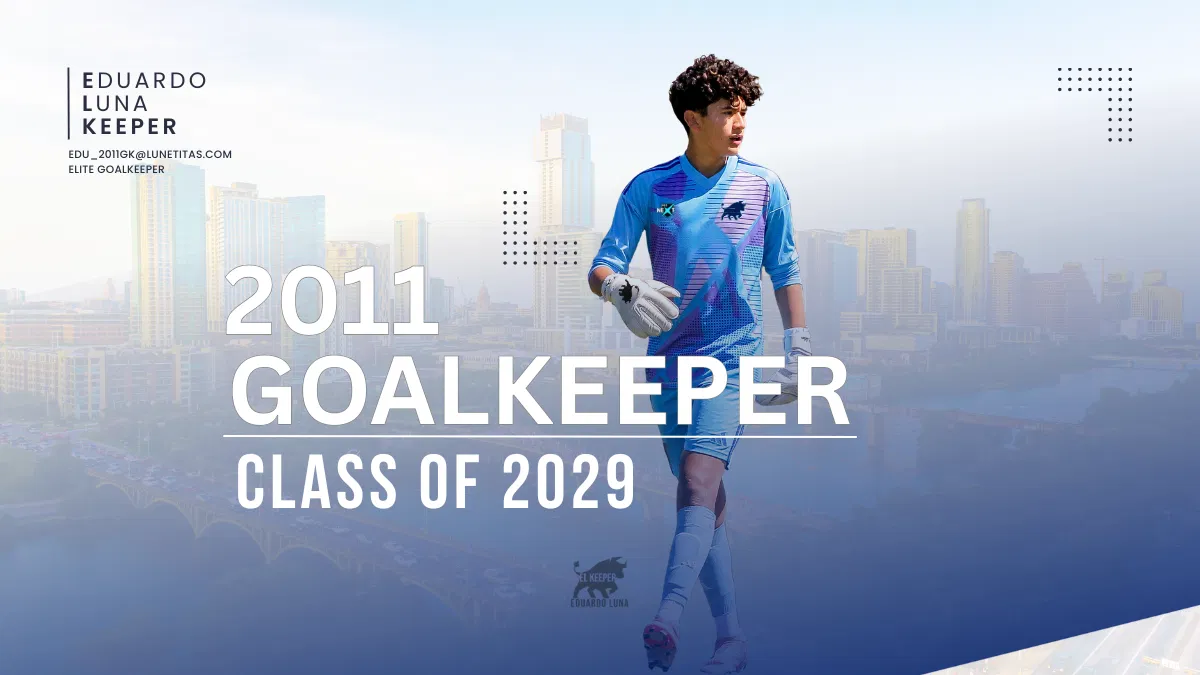
It’s Friday, April 24, 2026, and I’ve been sitting here reflecting on how fast everything is moving. One day you’re playing YMCA rec ball, and the next, you’re staring down the barrel of the college soccer recruiting machine. For my fellow keepers in the 2011 goalkeeper soccer recruiting cycle: the Class of 2029: the clock is officially ticking.
Being a goalkeeper is different. We don't get to sub in for five minutes to "get some legs." We either own the box, or we’re on the bench. Because of that, elite goalkeeper recruitment isn't just about how high you can jump or how fast your reflexes are; it’s about the whole package. It’s about being a leader, a student, and a bit of a strategist.
I wanted to put this guide together to share what I’ve learned so far on my journey. Whether you're aiming for a local college or diving into the deep end of D1 soccer goalkeeper recruiting, here is how we’re going to win this game together.
1. The Grade Point Save: Why Academics Come First
I’ll be honest with you: coaches get a lot of highlight reels. But you know what they love even more than a fingertip save? A 3.8 GPA. I’ve worked hard to keep my grades up because I want to be what coaches call a "grit" recruit.
When a coach sees that I’m maintaining a high GPA while playing at the MLS Next level, they know I have discipline. I’ve written before about managing the game and the books, and it’s a huge part of my identity. I’m planning on being a college soccer business major, specifically focusing on Finance.
Why does this matter for recruiting? Because if a coach has to choose between two keepers with the same skill level, they’re going to pick the one who is academically eligible and won't be a "risk" in the classroom. Plus, showing interest in a specific, rigorous field like Business or Finance shows that you have a plan for your life. It shows maturity. You aren't just there to kick a ball; you’re there to build a future.

2. CEO of the 18-Yard Box: Character and Leadership
As goalkeepers, we are the only players on the pitch who can see everything. That makes us the "CEO of the 18-yard box." When I made the transition from AC River to Capital City SC, I realized that every team needs a leader who can organize the defense before the shot even happens.
College coaches are looking for "vocal" keepers. But it’s not just about yelling; it’s about what you say and how you say it. Are you encouraging your teammates? Are you giving clear instructions? Are you composed under pressure?
Character is also what you do when no one is looking. It’s about the training schedule you stick to every single day. Coaches talk to your club coaches and even your teachers. They want to know if you’re the first one to practice and the last one to leave. They want to know if you have the mental toughness to bounce back after letting in a soft goal. That’s the "grit" that defines an elite recruit.

3. Researching the Right Fit (It’s Not Just About the Name)
It’s easy to get distracted by big-name schools, but you have to do your homework. When I look at schools, I’m looking at three main things:
- The Academic Fit: Do they have a top-ranked business school? Since I’m looking for a college soccer business major, I need to know that the school’s degree will carry weight in the finance world after I graduate. I’ve talked about why my business major matters before, and it’s a non-negotiable for me.
- The Goalkeeper Environment: Is there a dedicated goalkeeper coach? How many keepers are on the roster? If a team has three sophomores who are all 6'4", the timing might not be right for a Class of 2029 recruit. You have to look at the roster depth and see where you fit in the cycle.
- The Culture: Every team has a different "vibe." Some are very tactical and quiet; others are high-energy and aggressive. You need to find a place where your personality can shine.
4. Visibility: Making Sure They See Your Feet
Gone are the days when a goalkeeper just stood on the line and blocked shots. In the modern game, we are the 11th outfield player. Coaches in D1 soccer goalkeeper recruiting are obsessed with distribution. They want to see your footwork. Can you play out from the back? Can you hit a 40-yard diagonal ball to your winger’s chest?
This is where networking and visibility come in. I use my blog and social media to show more than just game highlights. I show my training sessions, my footwork drills, and even how I analyze my own games.
Scouts are everywhere, but they can’t be at every game. You have to make it easy for them to find you. Whether it’s through your club’s connections or your own personal brand, you have to be proactive. Don't wait for them to find you: go find them.

5. Networking and The "Hidden" Recruiting Process
Sometimes, the best recruiting happens in the conversations you have after the game. I’ve learned so much just by talking to references and mentors. Networking isn't just about "selling" yourself; it's about learning the landscape.
For us 2011s, we have a little bit of time, but not as much as you think. Using platforms like this blog allows me to document my growth. When a coach looks at a recruit, they want to see a trajectory. They want to see that the kid they saw in 8th grade has grown into a leader by 10th grade. By sharing my journey: from my first year on the national stage to my most recent MLS Next match: I’m giving them a roadmap of my development.
6. The 2011 Goalkeeper Action Plan
If you’re a Class of 2029 keeper, here is what you should be doing right now:
- Lock in your grades: Don't wait until junior year to care about your GPA. Start building that "grit" resume today.
- Film everything: Don't just save the "big" saves. Film your distribution, your positioning, and how you talk to your teammates.
- Find your "Why": Why do you want to play college soccer? For me, it’s about the challenge of balancing elite sports with a finance career. Knowing your "why" makes the hard training sessions easier.
- Be a student of the game: Watch college matches. Look at how the keepers move. Watch how they handle a cross in traffic.

At the end of the day, the college soccer recruiting process is a marathon, not a sprint. There will be days when you feel like no one is watching, and days when the pressure feels like too much. But if you keep your focus on your academics, your character, and your craft, the right door will open.
I’m excited to keep pushing, keep saving, and keep studying. We’ve got a long way to go until 2029, but the work we do today is what’s going to put us on that college pitch.
Keep grinding, keep leading, and keep that clean sheet!
Elite 2011 Goalkeeper looking for college scholarship. Class of 2029.
Leave a Reply